I need resources to...
Build a Culture of Collaboration
Build a Culture of Collaboration
Collaboration is not a strategy that educators add to their work. It is athe foundation on which effective professional learning is built. At Learning Forward, we define a culture of collaboration as one in which educators at all levels work together in sustained, purposeful ways to examine evidence of student learning, refine instructional practice, and hold themselves collectively accountable for results. This is distinct from cooperation, which distributes tasks, or coordination, which aligns schedules. True collaboration requires shared goals, structured time, and the kind of trust that develops when educators learn together over time.
Research consistently shows that when teachers and instructional leaders engage in high-quality collaborative work, student achievement improves and professional satisfaction increases. Collective teacher efficacy, the shared belief that educators together can make a measurable difference for students, is among the most powerful influences on student outcomes. That belief does not emerge spontaneously. It is cultivated through intentional design, strong leadership, and ongoing professional learning that connects people to evidence and to each other.
Learning Forward supports educators who are working to move collaboration from an event on a calendar to a way of operating across a school or system. Whether you are designing the structures for collaborative teams, facilitating professional learning communities, or leading a districtwide effort to strengthen educator culture, the resources here can help you move that work forward.
Below, you will find resources organized by two topic areas: Collaboration, which focuses on the practices, structures, and leadership conditions that make educator teamwork effective; and Learning Communities, which explores how professional learning communities function as the primary vehicle for sustained collaboration and continuous improvement in schools and districts.

Maryland Students Make Math Gains, Powered by Educator Professional Learning
Learning Forward is expanding its national leadership in the educational improvement field

Top blogs tap into educator communities for their professional learning insights

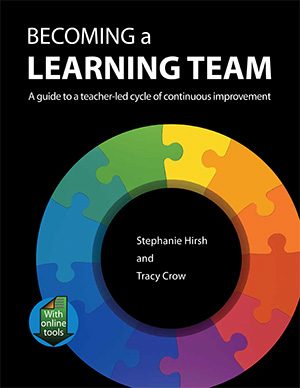
Better together: Becoming a learning team

How school leadership teams lead to success

The Learning Professional’s top 10 articles of 2022

Let’s develop learning teams that really improve student outcomes

Teachers benefit from quality networking while off campus